Our Story ―

This blog began with a bowl.
Not a metaphor — an actual bowl, bought from a kiln in Tachikui, a small village in the valley of Hyogo Prefecture where potters have been firing clay since the twelfth century. I carried it home on the bus, both hands, and when I set it on the kitchen shelf, I found I couldn’t stop looking at it. The particular brown of the glaze. The way it was heavier than it looked. The slight irregularity on one side where the clay had shifted before firing.
I started trying to write about it, and I found I couldn’t write about the bowl without writing about the valley it came from, and I couldn’t write about the valley without writing about eight hundred years of people making things there, and I couldn’t write about those people without eventually writing about the particular quality of attention that Japanese craft seems to ask of everyone involved in it — the makers, and the people who hold what was made.
MeguruStillnessJapan is an attempt to write about that quality of attention — through the objects that embody it, and through the practices that cultivate it.
■What this blog is — and what it isn’t
Not a travel guide. Not a shopping list.
There are many fine resources for planning a trip to Japan, learning to cook Japanese food, or finding beautiful Japanese objects to buy. This isn’t one of them — or not primarily. MeguruStillnessJapan is a cultural journal, directed at readers who want to go deeper than the surface of a country they are drawn to but may not fully understand. The aim is not to make Japan seem more accessible, but to make it seem more worth the effort of understanding.
The blog is organized into two sections — MONO and KOTO — that reflect a distinction the Japanese language makes naturally but English does not: between things you can hold in your hands, and things you can only hold in your attention.
□Section 1 — MONO (もの)
Things you can hold in your hands
Craft, objects, makers, and places. The knife, the bowl, the repaired crack. What does it mean to make something that lasts?
□Section 2 — KOTO (こと)
Things you can only hold in your attention.
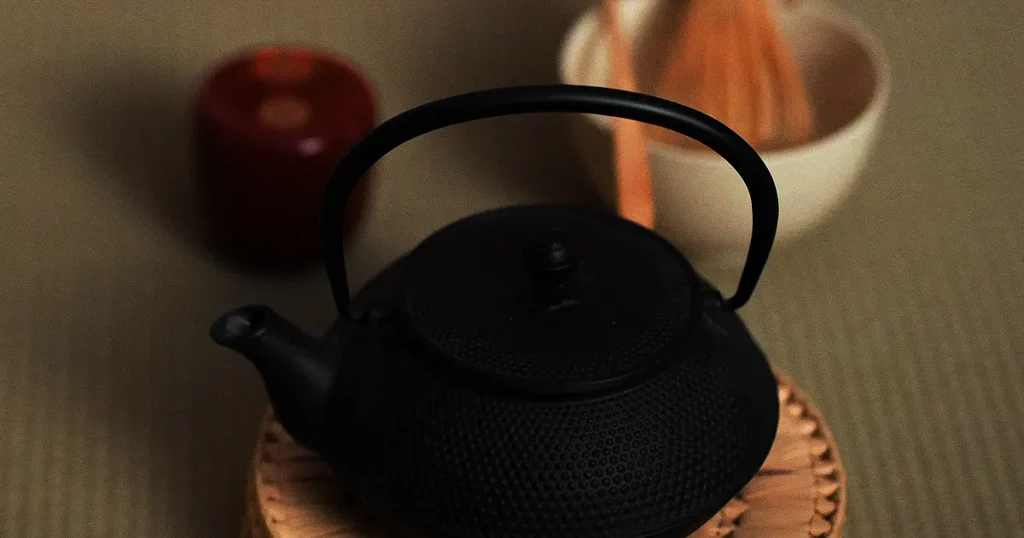
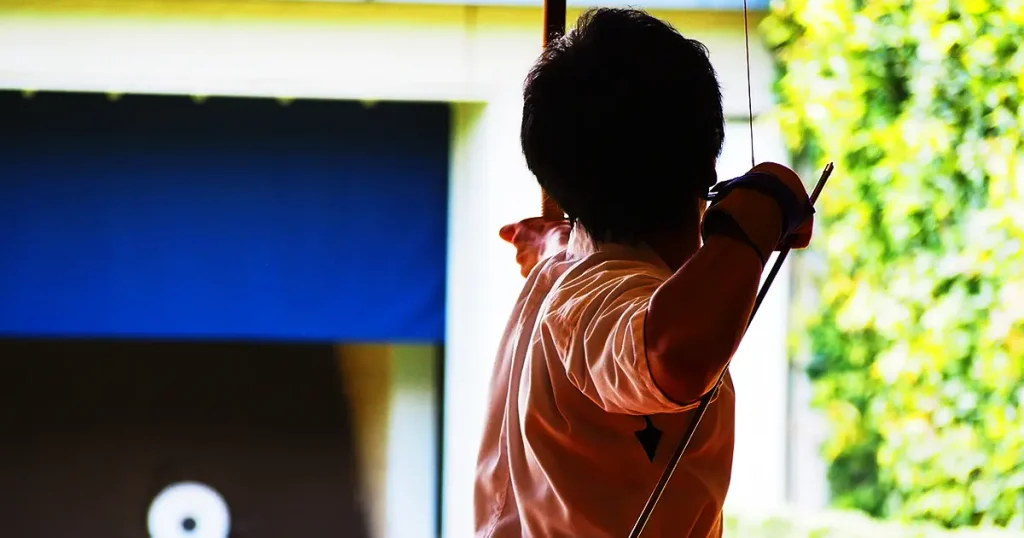
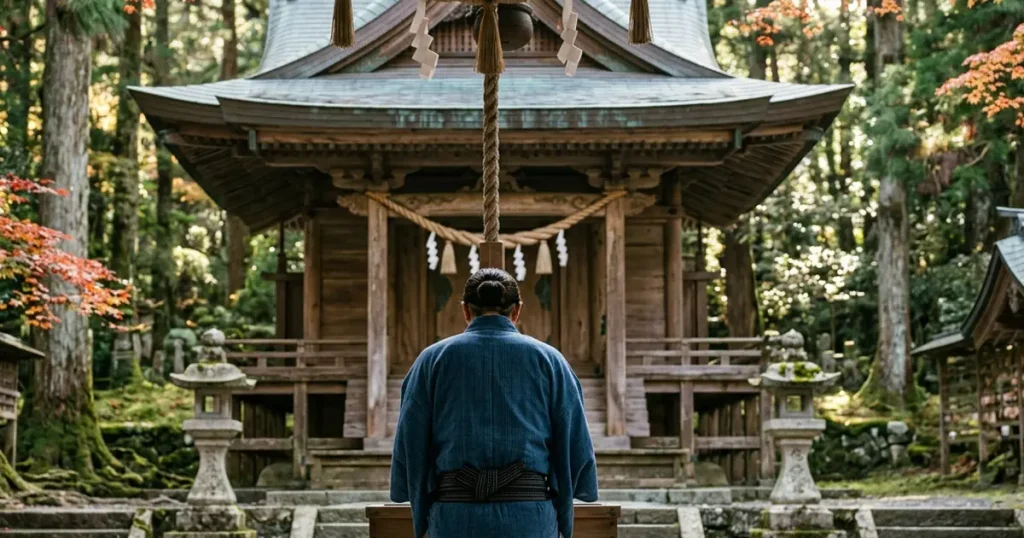
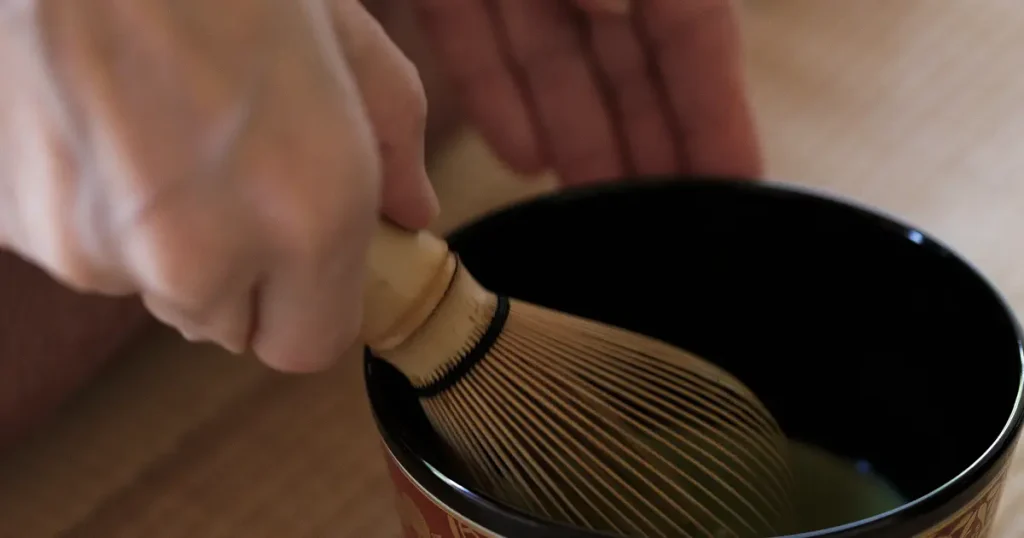
Practice, philosophy, presence. The bow, Zen, the tea room. What it means to be somewhere, fully.
■Where this is written from
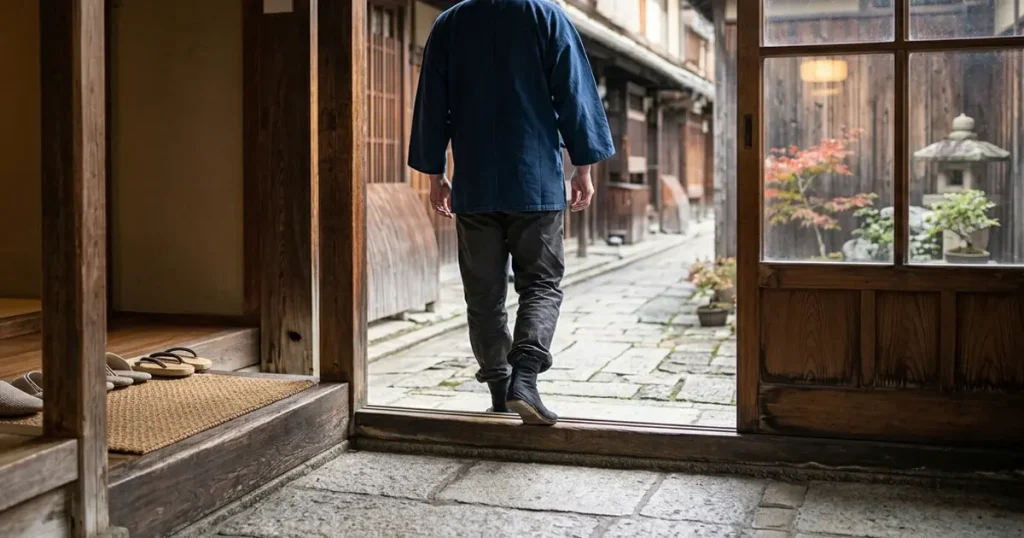
Kobe, Hyogo — and the hills behind it.
I live and write from Kobe, in Hyogo Prefecture on Japan’s Seto Inland Sea coast. This location is not incidental to the content. The three subjects at the heart of the MONO section — Miki blades, Tachikui ware, and kintsugi — all trace directly to this region. The knife-making city of Miki is forty minutes by car. The pottery village of Tachikui is an hour away. The Tanba valley, where the clay comes from are visible on a clear day from the right elevation.
Writing from inside the region rather than visiting it means the things I write about are not curated experiences — they are the ordinary texture of this place. The bowl I repaired with kintsugi was one I used every morning. The forge I stood outside in Miki was on a street I drove past regularly. This proximity is, I think, what makes writing about craft honest rather than picturesque.
■The name
Meguru
The name Meguru carries two meanings simultaneously. Meguru (巡る) means to go around, to visit in turn, to circulate through a series of places or things. Junkan (循環) means circulation — the return of things to their origins, the cycle that connects endings to beginnings. Both meanings are present in everything this blog tries to do: to move between the tangible and the intangible, between the made and the felt, between the object and the philosophy it carries — and to find that each, pursued far enough, leads back to the other.
The bowl leads to the philosophy of repair. The philosophy of repair leads back to the bowl. This is the movement the name describes.
■Who this is for
MeguruStillnessJapan is written for readers in North America — the United States and Canada — who are drawn to Japan but want more than the surface. For people who own a Japanese knife and want to understand what city it came from and what craft tradition made it possible. For people who have been to a tea ceremony and want to know what was actually happening in the room. For people who have encountered the word wabi-sabi and felt that the concept had been explained to them but not given to them.
It is also written for anyone, anywhere, who has held an object made with unusual care and wanted to understand the culture that produced the care rather than just the object.
■A note on the writing
Articles are long. Some of them are very long. This is intentional. The subjects this site covers do not yield to brevity, and I have no interest in pretending they do. If you are looking for quick takes, there are many excellent sites for that. If you are looking for something you can sit with for 10 minutes — slowly, with both hands, without reading anything else — you are in the right place.
— The author
Kobe, Hyogo, Japan
Receive the letters.
A newsletter on Japanese craft and culture, sent from Kobe.Free to start.