How to Show What Was Never Meant to Be Shown
The Japan Folk Crafts Museum
MONO/The Tangible Stillness | MEGURU STILLNESS JAPAN
The Philosophy of Mingei · Part 7 of 12
For nearly ten years, the museum existed only as a statement of intent. In 1926, Yanagi Soetsu and Hamada Shoji announced their wish to found a museum of folk crafts. It was a strange proposal. Their collection would consist of rice bowls, work clothes, baskets, and storage jars, objects that the art world did not yet consider worth a gallery wall.
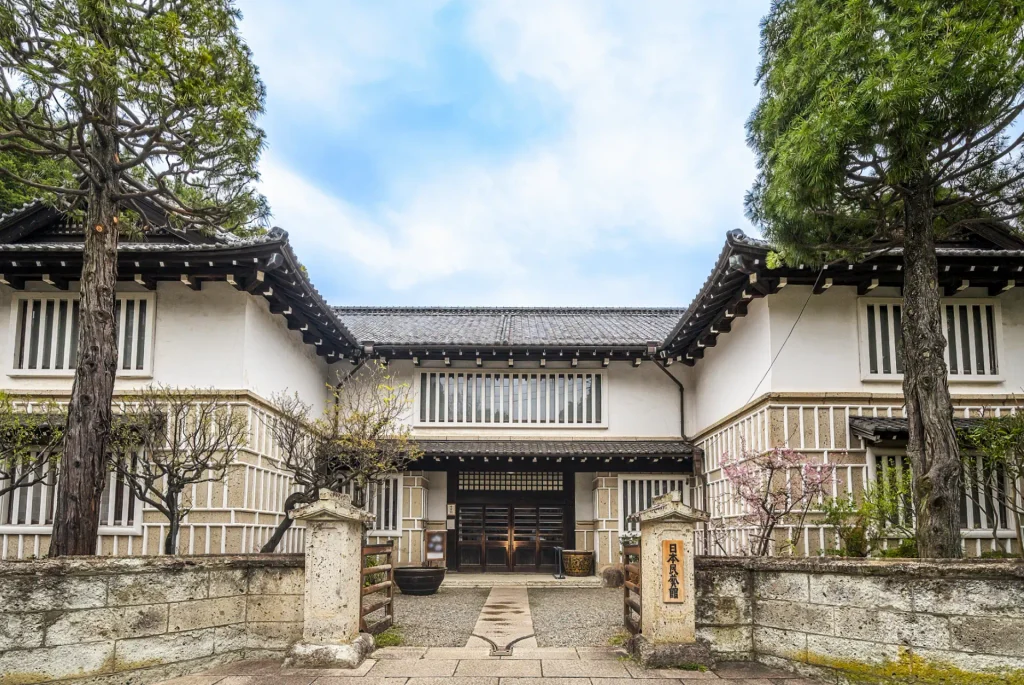
Then, in the mid-1930s, with the backing of the industrialist Ohara Magosaburo, a building went up in Komaba, in western Tokyo. It was finished in 1936. A museum for things made to be used had to answer a question that no one had really had to answer before: how do you show what was never meant to be shown?
I. A Museum Nobody Asked For
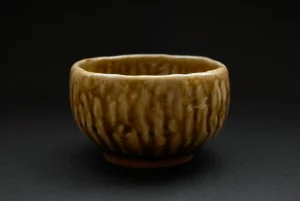
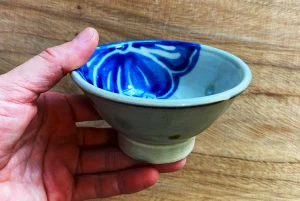
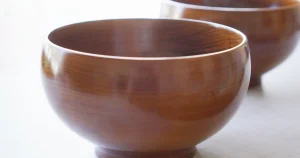
There was no existing model to follow. Museums of the time collected paintings, sculpture, and the finest craftwork, objects made by recognized masters and valued for rarity and provenance. Yanagi proposed to collect the opposite: things made in quantity, by unnamed hands, for daily use, and often thrown away when they wore out.
The museum was therefore not only a place to keep objects. It was an argument made in three dimensions, an attempt to show the public that these things had been worth looking at all along.
II. The Paradox Behind the Glass
In Part 2, we noted a tension at the heart of this project: a movement devoted to objects in daily use built a museum, a place where objects are set apart from use. It is a fair question. Behind a case, a rice bowl can no longer hold rice. It becomes something to look at instead of something to live with.
One way to read Yanagi answers that the museum was meant to be a school for the eye rather than a vault. Its purpose was to retrain how visitors saw, so that they would walk out and look at the bowls in their own kitchens differently. By that measure, the museum succeeds exactly when people stop needing it.
III. A Collection That Is an Argument
The museum holds roughly seventeen thousand objects, most of them chosen by Yanagi himself: ceramics, textiles, woodwork, and other everyday crafts from Japan and elsewhere. A collection assembled by one eye is both a strength and a limitation. It has a coherence that committee-built collections rarely achieve. It also reflects one person’s taste, however carefully trained.
That is not a reason to distrust it. It is a reason to see it clearly: the collection is the argument, and an argument can be persuasive and still be one person’s view. Later parts of this series return to exactly that question.
IV. A Building That Is Part of the Display
The building itself is part of the argument. Yanagi led its design, and the wooden main hall, finished in 1936, is now recognized as a Tokyo Metropolitan Tangible Cultural Property. Across the street stands the West Building, his former residence, which he also designed and which is open to the public only on limited days.
The effect is that visitors move through objects and architecture shaped by the same sensibility. Instead of a neutral white box, the setting is itself a statement about proportion, material, and the feel of wood and light, the very qualities the objects inside are meant to demonstrate.
V. An Exhibition Calendar That Follows the Year
The museum also changes with the seasons. It holds special exhibitions timed to the calendar, and one commonly cited pattern is to show Okinawan textiles in summer and leather and heavy outer garments in winter. A collection of everyday things is arranged, in other words, the way everyday life itself is: according to the weather and the season.
This is where the museum connects most naturally to the seasonal rhythm explored elsewhere on this site. Objects made for life are shown according to the rhythm of life.
VI. Museums of Ordinary Things, Elsewhere
Readers in North America may have visited a version of this kind of museum without thinking of it that way. Folk art museums, historic houses, and collections of early American furniture and household goods, among them the American Folk Art Museum in New York, all treat the objects of ordinary life as worth preserving and looking at carefully.
What the Mingeikan adds is a particular conviction about what to look for: use, honesty of material, and the quiet authority of things made without ambition. Whether in Tokyo or elsewhere, the best result of a visit is the same: you go home and see your own cupboard differently.
A museum of everyday things succeeds when you walk out and look at your own kitchen as if it were a gallery.
Ways to Begin — Before or After a Visit
You can prepare for a visit with Yanagi’s essays, or bring something home that reflects what you saw.
The Beauty of Everyday Things
Soetsu Yanagi, translated by Michael Brase. Essays that explain the thinking behind the museum.
A hand-dyed indigo cotton cloth
The museum’s collection is rich in textiles. An indigo cloth is one of the simplest ways to live with one.
Visit the Japan Mingei Museum in Komaba, Tokyo
Near Komaba-Todaimae Station on the Keio Inokashira Line. Opening days, hours, and West Building access change, so check the museum’s official site before going.


Comments