
Everyday Aesthetics
Beautiful Things Are Not Only in Museums
The Philosophy of Mingei · Part 2 of 12
MONO/The Tangible Stillness | MEGURU STILLNESS JAPAN
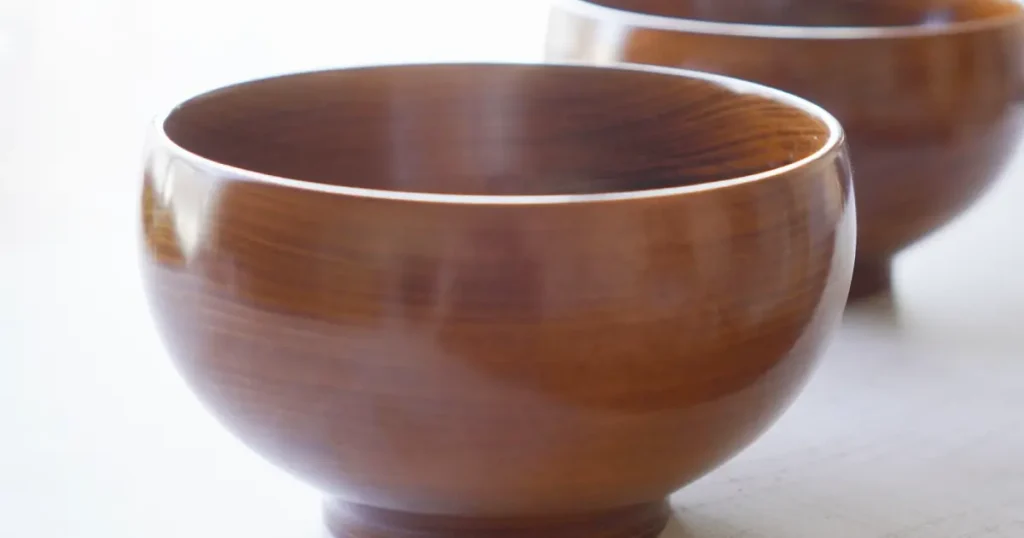
On Saturday, a visitor stands before a glass case in a quiet gallery. Inside it sits a tea bowl, lit from above, with a small card beside it and a rope a polite distance away. The visitor leans in, lowers their voice, and feels, correctly, that something precious is being protected.
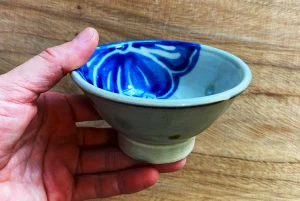
On Monday morning, the same visitor reaches into a kitchen cupboard without looking and takes down a bowl for breakfast. It is rinsed, filled, emptied, and rinsed again. No one has lit it. No card explains it. And this year it will be handled more times than the bowl in the glass case is likely to be handled in a lifetime.
I. The Quiet Assumption of the Museum
Museums do essential work. They preserve what would otherwise be lost, and they give us a place to stand still before things made with extraordinary skill. Nothing in this series is an argument against them. But the setting itself teaches a lesson, and it is worth hearing clearly: beauty is rare, it is labeled by experts, it sits behind a barrier, and it is something you travel to see.
Yanagi Soetsu knew this paradox better than anyone, since he eventually built a museum of his own. We will return to that tension later in the series. For now, it is enough to notice what his central claim sets against the assumption: that beauty might be waiting in the cupboard.
II. Hare and Ke
Japanese folk tradition draws a line between two kinds of time. Hare is the special day: the festival, the ceremony, the New Year, the wedding. Ke is everything else, the ordinary day, which is to say most of life. The two have always had their own objects. Hare calls for lacquered ceremonial ware and festive clothing. Ke calls for the daily bowl, the work cloth, the basket by the door.
Most accounts of art, in Japan and elsewhere, have been written about hare. What mingei did was turn the attention to ke. A person who eats three meals a day uses their bowls well over a thousand times a year. If beauty has a real home in a life, it may be there.
III. The Cupboard as a Gallery
There is a simple arithmetic behind this. A person might spend twenty minutes in front of a famous painting once in their life. They will spend years with their own cup. The eye and hand are educated by what they meet most often, whether or not anyone intends it. Someone who has eaten from a thoughtfully made bowl for a decade has learned something about weight, proportion, and the feel of a rim, even if they could never put it into words.
This is not a claim that every handmade object is better than every factory-made one. It is a smaller and more durable observation: the things we live with are teaching us what to expect from the world, and we are better off when they are worth learning from.
IV. Learning to See What Is Already There
Yanagi placed great weight on direct, intuitive looking: seeing the thing itself before knowing its name, its maker, or its price. That habit can be practiced at home, and it takes no expertise. Choose one object you use every day. Hold it for a minute. Notice its weight. Run a thumb along the rim and feel where it thins. Turn it over and look at the foot, where the clay is often left bare. See where the glaze has pooled, and where it has run thin.
Five minutes of this will usually reveal more than most people expect. The object does not change. What changes is the person looking.
V. Neither Precious Nor Disposable
The objects Yanagi admired were, by design, inexpensive. They were made in quantity, for ordinary households, and nobody needed to be wealthy to own them. That detail matters, because it means everyday beauty is not a luxury argument. It does not ask for a larger budget. It asks for a different kind of attention to what the budget already buys.
It also sits between two extremes. A thing too precious to use stays in the case. A thing too disposable to notice never enters the mind at all. The everyday object worth caring about is the one that is humble enough to use and good enough to keep.
VI. A Familiar Idea in Other Houses
Readers in North America and Britain may hear an echo here. William Morris is often quoted for advising people to have nothing in their houses that they do not know to be useful or believe to be beautiful, a sentence that has outlived the Arts and Crafts movement that produced it. The Shaker tradition in America, with its plain tables, chairs, and boxes, held a related conviction that ordinary things deserve careful making.
The traditions arrived at their conclusions separately and for different reasons. But the shared instinct is easy to recognize: that the most important gallery in a life may be the one that no one thinks to call a gallery.
The most important gallery in your life is the one you walk past every morning on the way to the kettle.



Comments