
夏
NATSU — SUMMER
Prologue
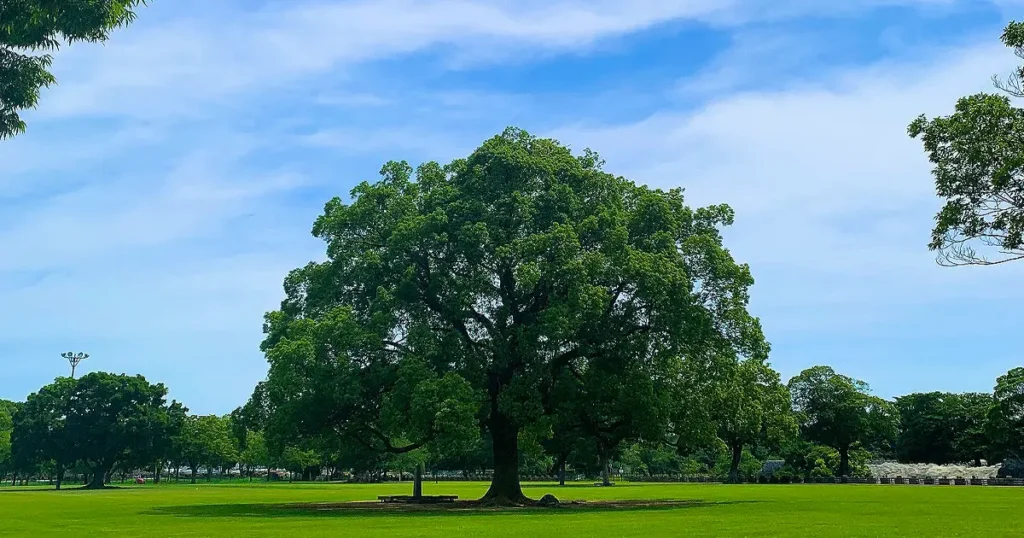
The light changes first, before anything else admits it. Somewhere between the last cool morning and the first unbearable afternoon, the sun stops being a companion and becomes a weight — pressing down on rooftops, on rice paddies, on the backs of cicadas not yet awake to sing.
A woman throws a bucket of water across her stone entrance. The sound is small, almost private, but it is also ancient: uchimizu, water sprinkled not to clean but to cool the air itself, an offering to no one in particular except the hour.
I. The Nameless Heat
Japanese summer arrives without a single entrance; it seeps in over weeks, through the humidity that precedes it and the rains that try, briefly, to hold it back. By the time it is acknowledged, it has already rearranged everything — the pace of footsteps, the hour markets open, the volume at which people are willing to speak.
There is no single word for this heat because it is not one thing. It is humidity clinging to cotton, it is the shimmer above asphalt, it is the particular stillness of a shrine forest at noon, where even insects seem to pause.
II. A Season of Sound
If spring in Japan is a season of the eye — cherry blossoms, pale greens — summer belongs to the ear. Cicadas do not sing so much as saturate; their calls layer into a single continuous wall of sound that seems to come from the heat itself rather than from any individual insect.
Wind chimes are hung not for decoration but as instruments of the season, translating the smallest, most invisible movement of air into something the ear can hold onto. And in the distance, always, the practice drums of a coming festival, rehearsing a rhythm older than anyone currently playing it.
III. The Wisdom of Seeking Coolness
Long before air conditioning, there was a whole discipline devoted to the management of heat — not its defeat, which was understood to be impossible, but its negotiation. Sudare blinds filter light without shutting out air. Kakigori, shaved ice with syrup, is eaten slowly, as though speed would defeat its purpose.
None of this is about escaping summer. It is about learning to sit inside it without being consumed — a distinction that says something larger about how this culture tends to meet what it cannot control.
IV. A Balance of Life and Death
Midsummer in Japan carries something few other cultures fold so openly into their hottest, brightest season: the dead are expected home. During Obon, ancestors are believed to return, welcomed with lantern fires and sent off again days later on floating lights down rivers and out to sea.
Fireworks, too, carry this double weight. What looks purely like celebration began, in part, as a way of honoring and consoling the dead — a burst of light and sound offered upward, into a sky that in summer feels closer than at any other time of year.
V. A Premonition of Change
Somewhere near the season’s end, before anyone will admit it aloud, the cicada calls begin to thin. A single voice becomes audible where before there was only the wall of sound. This is not yet autumn — it is summer, already aware of its own ending, still in progress but no longer unaware of time.
Summer in Japan is not survivable. It is negotiated, sound by sound, water by water, until it agrees, quietly, to end.
What is the sound that tells you, before you are ready to admit it, that a season of your own life is beginning to end?

Comments