
春
HARU — SPRING
Prologue
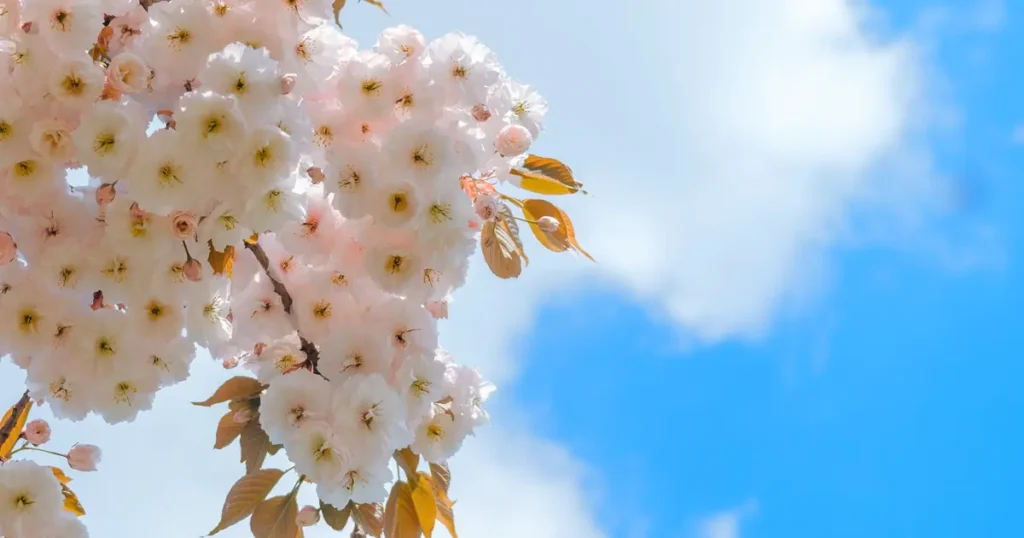
A single plum branch, still mostly bare, holds one blossom that opened before the others thought it was safe to. It is a small, almost reckless act — winter has not fully released its grip, and yet something has already decided to begin.
Within weeks, the whole country will turn its attention skyward, tracking a wave of pink moving north from island to island, prefecture to prefecture — a forecast issued not for rain, but for beauty, and for how briefly it will last.
I. The Season of Beginning Again
In much of the world, the year turns over in the dead of winter. In Japan, it turns again in spring: school terms start, fiscal years open, new employees walk into offices in matching suits, still unsure of their own posture. April carries an energy no other month quite holds — the particular nervousness of a beginning that has not yet earned its confidence.
II. A Grammar of Mono no Aware
Mono no aware is often translated as “the pathos of things,” but that phrase undersells how ordinary the feeling is. It is not grand sorrow. It is the small catch in the chest when something is beautiful precisely because you know it will not stay that way — not despite the ending, but because the ending is already, quietly, part of what you are looking at.
Cherry blossoms did not have to be the symbol they became. They could have been admired simply for their color. Instead, an entire culture chose to build its central spring ritual around a flower whose defining trait is how quickly it leaves.
III. The Communal Bloom
Hanami is, at its surface, a picnic: blue tarps spread beneath the trees, convenience store bento, colleagues and strangers sitting closer together than they normally would. But underneath the surface is something more deliberate — an unspoken agreement that this particular beauty is worth interrupting ordinary life for, together rather than alone.
No other season in Japan produces quite this scale of shared, public tenderness — strangers under the same trees, briefly united by nothing more than timing.
IV. Waking Things
Spring in Japan is announced almost entirely by things that were dormant deciding to move again. Insects long silent begin to stir underground before anyone sees them. Rivers swollen with melted snow move faster and louder than they have in months. The old poetic name for this — kei-chitsu, “the awakening of creatures that had been in hiding” — describes an entire season’s premise in a single phrase.
V. The Falling as the Point
A cherry tree in full bloom is not, in fact, the peak of the ritual. The peak is what comes several days later — sakura fubuki, the “cherry blossom blizzard,” when the wind finally takes what it has been circling for a week, and petals fall in such numbers that the air itself seems to be made of them.
No one mourns this moment. People stand beneath it, phones raised, unmistakably delighted — proof that an ending, staged with enough care, can be received not as loss but as the completion the whole season was building toward.
Spring does not promise permanence. It promises only that beginning is always, again, possible — and asks nothing more than that you notice it while it lasts.
What have you allowed yourself to begin again, even while still uncertain it will last?

Comments